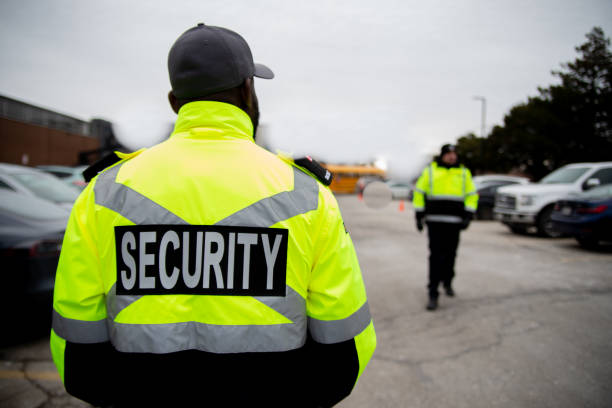
Retail Security in Boston, MA
Introduction
Finding the best retail security in Boston is essential for protecting your merchandise, employees, and customers in a competitive urban market. Between high foot traffic, seasonal tourism, and evolving theft techniques, retailers in the city face a unique set of risks. Therefore, choosing a capable security partner is not simply a matter of cost; it involves assessing expertise, technology, and fit with your brand. By following a structured approach, you can identify a provider that strengthens safety while supporting daily operations.
Assess your specific security needs
Before comparing providers, begin by evaluating your store’s unique risk profile. Consider your location, store layout, product value, and hours of operation. High-end boutiques on Newbury Street may face different threats than convenience stores or large-format retailers in the suburbs. In addition, think about whether you need uniformed guards, loss prevention specialists, mobile patrols, or remote video monitoring. By clearly defining your requirements, you can more effectively communicate expectations and avoid generic one-size-fits-all solutions.
Research local experience and reputation
Once you understand your needs, focus on companies with a strong track record in Boston’s retail environment. Look for providers that specifically mention experience with malls, shopping districts, or mixed-use complexes. Reading online reviews, checking references, and speaking with neighboring retailers can reveal how responsive and professional a company truly is. Furthermore, ask about their relationships with local law enforcement and familiarity with Boston ordinances, as this knowledge can make incident response smoother and more effective.
Evaluate training licensing and technology
Next, verify that the firm and its officers hold proper Massachusetts licenses and certifications. Inquire about background checks, ongoing training programs, and specialized instruction in de-escalation, customer service, and retail loss prevention. These factors are critical for maintaining a safe yet welcoming atmosphere. At the same time, examine the technology they deploy, such as integrated surveillance systems, access control, body cameras, and real-time reporting tools. A provider that blends well-trained personnel with modern technology will typically deliver more reliable and transparent protection.
Compare service models and costs
When you have narrowed your list, request detailed proposals that outline staffing levels, patrol schedules, response procedures, and reporting practices. Rather than simply choosing the lowest bid, consider the overall value, including supervision quality and flexibility during peak seasons or special events. Additionally, discuss contract terms, cancellation policies, and performance metrics. Clear expectations and service-level agreements help ensure accountability and make it easier to measure results over time.
Conclusion
In summary, finding the best retail security in Boston requires careful planning, thorough research, and thoughtful comparison. By assessing your needs, prioritizing local expertise, confirming rigorous training and licensing, and evaluating both technology and costs, you can select a partner that aligns with your brand and risk profile. Ultimately, a well-chosen security provider does more than deter theft; it enhances customer confidence, supports staff, and contributes to a safer, more profitable retail environment.