
Hire a licensed Massachusetts watch guard agency that provides written post orders and commits to a site visit, then verify employee affidavits and insurance before signing anything. That single step separates agencies that protect you from agencies that just bill you. Ask for the license holder’s name, the agency’s Certification Unit registration, and a firm commitment to written post orders before you talk price.
TL;DR:
- Verify that the security agency holds an active Massachusetts license and can provide certified employee affidavits before engaging their services.
- Obtain written proof of insurance, liability limits, and detailed post orders covering patrol routes, reporting, and supervision procedures.
- Confirm the provider’s license number through the Certification Unit and ensure it is current to avoid liability issues and unlicensed staff on-site.
- Ensure security quotes include breakdowns of staffing, supervision, relief coverage, equipment, and insurance costs, not just the hourly rate.
- Conduct a site assessment and review specific post orders and personnel credentials to determine actual security needs before signing a contract.
Table of Contents
- Quick Checklist: What To Verify First When Evaluating Any Boston Security Provider
- Massachusetts Licensing and How To Verify It: Watch Guard vs. Private Investigator
- Boston Event Permits and Security Plans: Vendor Responsibilities and Timelines
- Pricing and How To Read a Quote: What an Hourly Rate Usually Includes
- Step-by-Step Hiring Process: From Scope to Contract and Onboarding
- Post Orders, Supervision, and Performance Monitoring: Operational Checks That Matter
- Interview Questions and Red Flags for Vendors and Officers
- Why Hub Investigative Group Is a Direct Local Option
- A Practitioner’s Note on Choosing Boston Security
- Get a Boston Security Quote Built Around Written Post Orders
- Where To Verify Licensing and Permit Requirements
- Sources
- FAQ
Quick Checklist: What To Verify First When Evaluating Any Boston Security Provider
Before you compare a single hourly rate, confirm the basics that determine whether a vendor can legally and competently operate in Massachusetts. Skipping this step is how businesses end up with unlicensed staff on-site and no recourse when something goes wrong.
- Confirm the agency holds an active Massachusetts license and understand its employee affidavit process for every guard assigned to you.
- Request proof of insurance, any applicable surety bonds, and stated liability limits in writing.
- Ask for the names and credentials of the specific personnel who will staff your site, not just a generic roster.
- Insist on written post orders, a named supervision plan, relief coverage details, and a reporting cadence.
- Ask how officers are trained, whether armed posts require firearms qualification records, and what background screening each candidate passed.
Pro Tip: Ask the vendor to email you a sample post order from a comparable Boston assignment before you sign anything. If they cannot produce one, that tells you more than any sales pitch will.
Massachusetts Licensing and How To Verify It: Watch Guard vs. Private Investigator
Massachusetts treats security guarding and investigative work as separate licensed activities, and knowing which applies to your situation protects you legally. A Watch Guard license covers agencies that provide uniformed or plainclothes guards for property protection, access control, and patrol. A Private Investigator license covers surveillance, background investigations, and asset searches, work Hub Investigative Group also performs under its own licensing.
Every employee of a licensed agency must submit an electronic employee affidavit to the state, which shifts accountability for that worker’s conduct onto the agency, not just the individual guard.
- Check license status directly through the Certification Unit, which oversees licensing and runs background investigations on applicants.
- Ask the agency for its license number and call the Certification Unit to confirm it is current.
- Understand that licensing status directly affects who carries insurance and who is legally liable if a guard causes harm or fails to act.
An agency that hesitates to share its license number is not worth a second call.
Boston Event Permits and Security Plans: Vendor Responsibilities and Timelines
Event organizers in Boston face a specific process, and your security vendor needs to be part of that filing, not an afterthought. The city’s permit application asks directly whether your event will have security or operations staff and requires you to upload a plan showing personnel numbers and locations.
- Confirm whether your event needs a one-time entertainment license, which typically requires police-district captain signoff and should be filed at least two weeks ahead.
- Have your vendor supply staffing locations, entry-control procedures, an EMS interface plan, and weather contingencies in writing.
- Assign clear ownership: the organizer typically files the application, while the vendor supplies the security-specific attachments.
- Walk the site with your vendor before the event to confirm entry points, sightlines, and crowd flow match the submitted plan.
Missing that two-week window is one of the most common reasons Boston events get delayed at the permitting stage.
Pricing and How To Read a Quote: What an Hourly Rate Usually Includes
A vendor’s hourly rate is not the same thing as what a guard takes home, and confusing the two leads to bad comparisons. The Bureau of Labor Statistics put the national median security guard wage at $38,370 per year as of May 2024. Bureau of Labor Statistics, since a vendor’s rate has to cover far more than one person’s paycheck.
A legitimate Boston quote should break out:
- Base staffing hours and the officer’s pay rate
- Supervision and site-visit coverage
- Relief staffing for breaks and shift changes
- Overtime, uniforms, equipment, and mileage
- Reporting technology and incident-log systems
- Insurance and bonding costs baked into the rate
A quote that comes in dramatically below others in your comparison set often means something is missing: no relief coverage, no real supervision, or insufficient insurance behind the contract. Round-the-clock posts also need rotation math, since coverage gaps during shift changes push blended hourly costs higher than a single quoted rate suggests. For a deeper breakdown of what drives these numbers locally, see this guide on security guard pricing.
Step-by-Step Hiring Process: From Scope to Contract and Onboarding
Hiring security well in Boston follows a repeatable sequence, whether you are contracting an agency or bringing on an individual guard.
- Define the scope and draft post orders covering duties, patrol routes, escalation steps, and reporting format.
- Confirm the agency’s license holder and request employee affidavits and government-issued IDs for assigned staff.
- Run background checks and verify training records, including firearms qualifications for any armed post.
- Interview officers directly using scenario-based and de-escalation questions, not just resume review.
- Call references from similar Boston assignments, ideally the same property type or event category.
- Sign a contract with service-level terms covering replacement coverage, reporting cadence, insurance, and termination conditions.
- Document an orientation walkthrough and a defined trial period before locking in a long-term schedule.
Pro Tip: Before you buy hours, commission a short site assessment. CISA’s own security planning guidance recommends assessing vulnerabilities first, since a rapid walkthrough often reveals whether you need fixed posts, mobile patrols, technology, or a combination.
Post Orders, Supervision, and Performance Monitoring: Operational Checks That Matter
Two vendors can quote identical headcounts and deliver very different protection, and the difference almost always comes down to what is written into the post orders. A solid set covers opening and closing checks, patrol routes, escalation thresholds, relief procedures, and required report formats.
- Confirm the supervision model: how mobile patrol coordinates with fixed posts and whether dispatch runs 24/7.
- Ask for the KPIs the vendor tracks, including incident logs, daily activity reports, and response-time data.
- Request periodic spot checks, not just a signed contract you never revisit.
- Audit payroll and training records occasionally to confirm the guards on-site match what was promised.
ASIS guidance on private security officer selection recommends documented training and periodic proficiency testing, standards worth asking your vendor to confirm in writing.
Interview Questions and Red Flags for Vendors and Officers
A short phone call can tell you more about a vendor than a glossy proposal ever will. Ask directly: who holds the license, who specifically will staff my site, how does the affidavit process work, what does relief coverage look like, and what are your insurance limits?
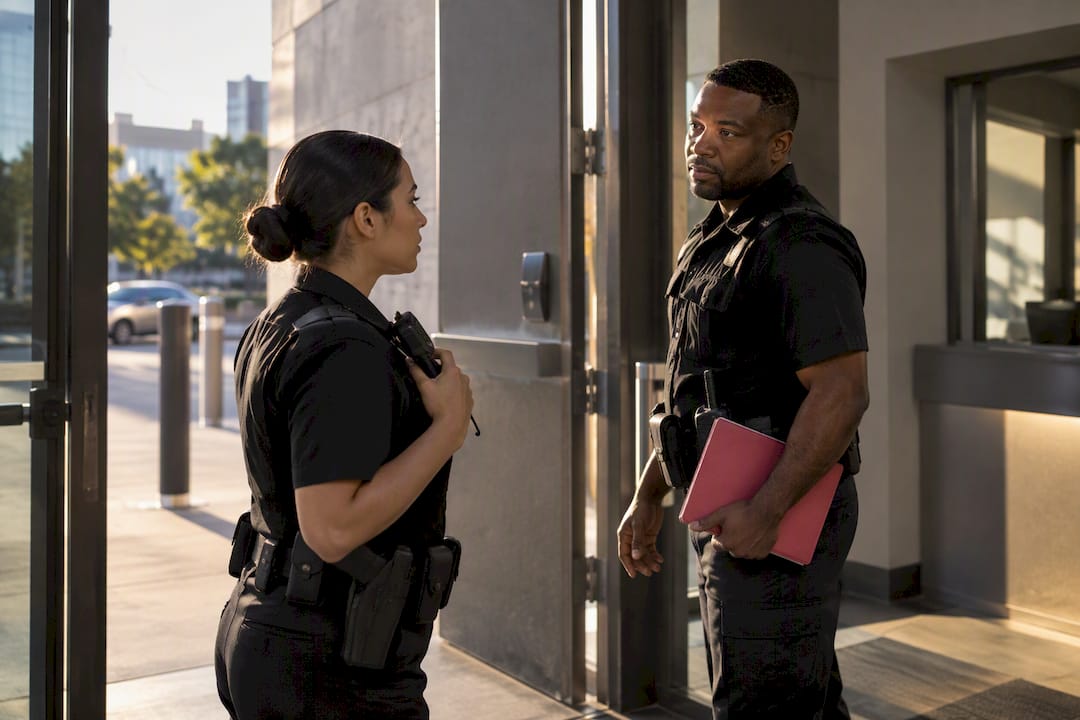
For individual officers, ask for a real example of de-escalating a conflict, request a sample written report, and pose a scenario relevant to your site, whether that is a retail floor during a layoff or a construction perimeter overnight.
Watch for these warning signs:
- The vendor cannot name who will actually staff your location.
- Post orders stay vague even after you ask for specifics.
- Insurance documentation is delayed, incomplete, or evasive.
- Answers about relief and replacement coverage change depending on who you ask.
- Local references are thin, outdated, or unrelated to your assignment type.
Why Hub Investigative Group Is a Direct Local Option
Hub Investigative Group has operated in Boston since 2004, built on more than seventy-five years of combined law enforcement and loss prevention experience across the team. We provide security guard services, building and corporate security, event security, executive protection, and investigative services under Massachusetts licensing. We help draft post orders and support your permitting paperwork. Request a site visit and we will walk you through exactly what to expect before you commit.
A Practitioner’s Note on Choosing Boston Security
The mistake I see most often is treating security like a commodity purchase instead of an operational decision. Prioritize clear post orders, verified licensing, and documented relief coverage over the lowest number on a page. Reach out to Hub for a site assessment before you sign anything.
— Derek
Get a Boston Security Quote Built Around Written Post Orders
Hub Investigative Group is the alternative to a lean, price-first vendor for security hiring in Boston: we lead with a site visit and written post orders instead of a generic hourly number, so you know exactly who is staffing your location and how they will handle relief, escalation, and reporting before you sign. That approach comes from more than seventy-five years of combined law enforcement and loss prevention experience across our team, applied to everything from armed and unarmed guard posts to executive protection and private investigations.

When you request a quote, expect a short call to scope your site, a walkthrough where our team assesses entry points and staffing needs, and an itemized quote that separates base staffing from supervision, relief, and equipment. Ask us for references from similar Boston assignments before you decide. Visit our full services page to see the full range of what we cover, or request a site visit directly to get a written post order draft started this week.
Where To Verify Licensing and Permit Requirements
Confirm licensing directly through the Certification Unit and check Boston’s event permitting page before filing. For a broader risk-assessment primer that complements a site visit, see this security risk assessment overview.
Sources
- Mass
- How to get a one-time entertainment license | City of Boston
- Security guards and gaming surveillance officers | U.S. Bureau of Labor Statistics
- Security planning workbook | CISA
FAQ
How Much Do Security Guards Make in Boston?
National data from the Bureau of Labor Statistics put the median security guard wage at $38,370 per year as of May 2024. That wage figure reflects pay, not the hourly rate a vendor charges, since contract rates also cover supervision, insurance, and overhead.
What Is the Hourly Rate of a Security Guard in Boston?
There is no single official Massachusetts rate, since pricing depends on the assignment, whether the post is armed or unarmed, and what coverage the contract includes. Always request an itemized, site-specific quote rather than relying on a generic per-hour figure from an unrelated market.
How Do Security Guards Get Hired in Massachusetts?
Licensed agencies typically run background checks, verify training and any required firearms qualifications, and submit an employee affidavit to the state for each guard before assigning them to a post. Individuals can also apply directly with agencies like Hub Investigative Group, which handles the licensing and documentation steps as part of onboarding.
How Much Does It Cost To Hire a Full-Time Security Guard in Boston?
Full-time costs depend on whether the guard is armed or unarmed, the supervision model, and whether the post needs 24/7 relief coverage, all of which change the blended hourly rate. Request a written quote that itemizes base staffing, relief, supervision, and insurance so you can compare vendors on equal terms rather than a single headline number.
Does Hub Investigative Group Provide Written Post Orders?
Yes. Security providers typically draft site-specific post orders covering patrol routes, escalation procedures, and reporting formats as part of onboarding for guard and event security assignments. Current pricing details are available by requesting a quote through our services page.