
Don’t Post That Photo Of Your Keys !
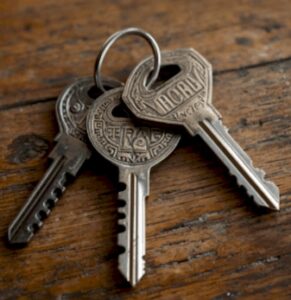
In today’s world of social media, it’s easy to want to share every moment. A new car, a promotion, moving day, the keys to your first home — these are milestones, and it feels natural to want to celebrate them publicly. Instagram, Facebook, TikTok, and Snapchat have turned life’s small victories into content, and nothing captures the excitement of a big purchase or achievement quite like a well-lit photo.
But that seemingly innocent photo of your keys could be a blueprint for disaster — quite literally. What many people don’t realize is that those little pieces of metal, dangling from a keychain or resting proudly on a kitchen counter, contain a wealth of information that can be used against them. In an age where criminals are just as tech-savvy as the rest of us, sometimes more so, a single photo can hand over the exact tools needed to break into your home, your car, or your office.
This isn’t a hypothetical, either. Security researchers have demonstrated for over a decade that keys can be duplicated from photographs alone, and the technology to do so has only become more accessible, cheaper, and more precise. What used to require a locksmith’s expertise now increasingly just requires a phone camera, a bit of software, and a 3D printer or key-cutting machine.
Here are five reasons why you should never post a photo of your keys online, plus other smart internet security tips to keep you and your family safe.
1. Your Keys Are a Digital Blueprint
This is the most critical reason, and it’s the one most people find hardest to believe until they see it in action.
Every key has a unique “bitting code” — the specific pattern of cuts, grooves, and depths that allow it to fit into and turn your particular lock. That pattern isn’t just a random design choice; it’s essentially a physical password. Locksmiths, manufacturers, and yes, criminals, can read that pattern the same way you’d read a barcode, provided they have a clear enough image and know what they’re looking at.
With modern technology, a single high-resolution photo is often all a skilled individual needs to “sight-read” that code. Specialized software — some of it originally developed for legitimate locksmithing purposes, some of it repurposed by bad actors — can analyze a key’s shape, scale it against known reference points (like the width of a standard key blank), and calculate the exact depth of each cut. Researchers at institutions like UC San Diego demonstrated this over a decade ago with a project called “Sneakey,” showing that a photo taken from up to 200 feet away, using a basic zoom lens, was enough to extract a working key code.
Once that digital blueprint exists, turning it into a physical object is trivial. A 3D printer can produce a working plastic key for many standard locks. A key-cutting machine, the same kind found in most hardware stores, can cut a metal duplicate in under a minute once fed the correct measurements. Some enterprising criminals don’t even need specialized equipment anymore — mail-order key-cutting services and consumer-grade CNC machines have made this capability available to almost anyone with modest technical skill and bad intentions.
The unsettling part is that this doesn’t require your key to be photographed by someone standing right next to you. A photo posted to a public Instagram account, a Facebook post visible to “friends of friends,” or even a video where your keys are briefly visible in the background can be enough. Screenshots, zooming, and image enhancement software do the rest.
2. Location, Location, Location
A key by itself, disconnected from any address, is just a shape. It becomes dangerous the moment it’s paired with a location — and unfortunately, that’s exactly what most people do without thinking twice.
If you post a picture of your keys, it’s often accompanied by other information that gives away exactly where you live or park your car. A photo of a new home with the caption “Just got the keys!” practically writes the criminal’s plan for them. A picture of car keys with a distinctive landmark, street sign, or house number in the background does the same thing. Even a proud “we’re homeowners now!” post tagged with a neighborhood name narrows down your location to a searchable radius.
And it’s not just what you intentionally share. Even without a caption or a visible landmark, a photo’s metadata — known as EXIF data — can contain embedded geolocation information. Most smartphones automatically record the exact GPS coordinates of where a photo was taken and store them invisibly within the image file itself. Unless you’ve specifically disabled this feature or the platform strips it during upload (some do, some don’t, and policies change), anyone who downloads your original photo file could extract those coordinates with free, widely available software.
Combine a bitting code with a home address, and you’ve handed a criminal everything they need: the key, and the door it opens.
3. Identity Theft and Other Personal Information
The key itself isn’t the only thing a savvy thief is looking for in that photo. Take a closer look at a typical “new keys” photo, and you’ll often see far more than just a house key.
A photo of your keys often includes other revealing items: a car fob with a visible make and model logo, a work ID badge with your name, photo, and employer clearly printed on it, a branded keychain from a gym, a country club, a children’s school, or a local business. Each of these small details is a puzzle piece. Together, they can paint a surprisingly detailed picture of your daily routine — where you work, where you work out, where your kids go to school, what car you drive, and roughly when you’re likely to be away from home.
This kind of information is valuable well beyond the risk of a break-in. It can be used for identity theft, for social engineering scams (where a criminal calls pretending to be from your gym, your workplace, or your child’s school), or to build a convincing enough profile to impersonate you elsewhere online. Criminals rarely rely on a single source of information — they piece together small, seemingly harmless details from multiple posts until they have enough to act with confidence.
4. It’s a Low-Effort, High-Reward Crime
From a criminal’s perspective, duplicating a key from a photo is remarkably attractive compared to traditional break-in methods, and understanding why helps explain why this threat is growing rather than shrinking.
Creating a key from a photo is easier and far less risky for a thief than picking a lock or breaking a window. There’s no loud noise, no shattered glass, no forced-entry damage that alerts neighbors or triggers immediate suspicion. It allows a criminal to enter your home or vehicle cleanly, without leaving the telltale signs that a break-in has occurred.
This quiet, damage-free approach creates a particularly disturbing worst-case scenario: a thief duplicates your key from a photo, uses it to enter your home while you’re away, and leaves no trace of forced entry. You might not realize anything is wrong until valuables go missing, and even then, insurance claims and police reports become more complicated without visible signs of a break-in. Some criminals use this method not for an immediate theft, but to scope out a property, plant tracking devices, or return at a more opportune time — all while you remain completely unaware that your home’s security has already been compromised.
This is fundamentally different from most opportunistic crime, which tends to be loud, fast, and messy. A duplicated key is patient, quiet, and can be used again and again.
5. You’re Giving a Key to Friends-of-Friends (and Beyond)
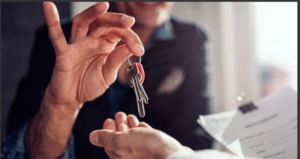
Many people reasonably assume that because their social media privacy settings are set to “Friends Only,” they’re protected. But this sense of security is often more fragile than it appears.
Consider how content actually moves once it’s posted. A friend might screenshot your photo and send it in a group chat. Someone might share it to their own story with a comment. A platform’s algorithm might resurface an old photo in a “memories” feature, prompting a re-share you didn’t anticipate. The internet makes it remarkably easy for content to be saved, screenshotted, and shared with people you’ve never met and have no relationship with — and once it’s out there, you have essentially no control over where it ends up.
It’s also worth remembering that “Friends Only” doesn’t account for compromised accounts. If even one friend’s account is hacked, phished, or cloned, everything they had access to — including your posts — is potentially exposed to a stranger with malicious intent. That simple photo of your keys, originally shared with fifty trusted friends, could realistically be viewed by hundreds or even thousands of people entirely outside your intended audience, with no way for you to know it happened.
Other Smart Internet Habits to Stay Safe Online

The risks of sharing key photos are a great example of the hidden dangers of oversharing online — a single, seemingly harmless post can carry consequences far beyond what’s visible at first glance. Here are some broader habits worth building into your everyday digital life.
Turn Off Geolocation. Disable location services for your camera app and your social media apps, or at minimum, review which apps have access to your precise location. If you want to tag a location in a post, consider doing it after you’ve left the area rather than in real time — this prevents anyone from using your posts to track your current whereabouts.
Think Before You Post Milestone Photos. Big life moments — new homes, new cars, vacations, expensive purchases — are exactly the kind of content that attracts unwanted attention. Consider waiting a few days before posting, cropping out identifying details like addresses or license plates, and avoiding captions that broadcast when you’ll be away from home.
Use Strong, Unique Passwords. Use a different, complex password for every account you own. Reusing passwords means that a single data breach on one platform can give criminals access to your email, banking, and social media accounts all at once. Consider using a reputable password manager to generate and securely store these credentials so you don’t have to memorize dozens of complex strings.
Enable Two-Factor Authentication (2FA). This adds a critical extra layer of security, requiring a second form of verification — like a one-time code sent to your phone, a push notification, or an authenticator app — in addition to your password. Even if a criminal obtains your password, 2FA can stop them from actually gaining access to your account.
Be Wary of Phishing. Don’t click on suspicious links or download attachments from emails or messages, even if they appear to come from someone you know or trust. Scammers frequently spoof familiar names and logos. If something looks off — an unusual request, urgent language, a slightly misspelled email address — it’s always best to go directly to the official website or contact the person through a separate, known method to verify before acting.
Check Your Privacy Settings Regularly. Social media platforms update their privacy policies and default settings often, sometimes resetting preferences you had previously customized. Make it a habit to periodically review who can see your posts, photos, tagged content, and personal information, and adjust as needed.
Audit What’s in the Background. Before posting any photo, take a second look at what’s visible beyond the main subject — mail with your address, packages with shipping labels, calendars with your schedule, computer screens, or documents left on a table. These background details are often more revealing than the photo’s intended subject.
Be Cautious With Package and Delivery Photos. Posting photos of new deliveries, especially with shipping labels or addresses visible, can signal both what valuables you own and where you live. Crop or blur identifying information before sharing.
Limit What You Share About Your Routine. Regularly posting your daily gym schedule, work hours, or travel plans in real time can create a predictable pattern that makes it easier for someone to know exactly when your home or car will be unattended.
Educate Family Members. Children and teenagers in your household may not understand these risks the way you do. Talk to them about what’s safe to post and help them understand why seemingly harmless photos — including of house keys, car keys, or school badges — deserve a second thought.
Final Thoughts
Protecting yourself online is a continuous effort, not a one-time fix. Technology changes quickly, and criminals adapt just as fast as security researchers uncover new vulnerabilities. What seems like a harmless, celebratory post today could be the very piece of information that puts your home, your car, or your identity at risk tomorrow.
By being mindful of what you share, taking a moment to consider what’s visible in the background of your photos, and following basic digital security practices like strong passwords, two-factor authentication, and careful privacy settings, you can significantly reduce your risk while still enjoying everything social media has to offer. A little caution now can save you from a much bigger headache later — and that new set of keys is worth celebrating safely.
References
- UC San Diego / University of California research on key duplication from photographs (“Sneakey” project)
- General cybersecurity best practices from federal and industry security awareness resources
https://www.instructables.com/Make-a-Copy-of-the-Key-from-a-Photo/
Why Car Dealerships Need Security and How Hub Security and Investigative Group Can Help
https://hubsecurityandinvestigativegroup.com/5-reason-why-law-firms-in-boston-ma-should-hire-hub-security-and-investigative-group/
Boston Private Investigator , Boston Ma Security. Private Investigation Private Investigator Child Support Enforcement