
If you’re an executive, public figure, event planner, or property manager facing repeated unwanted contact or a credible threat, commissioning a stalking risk assessment is the right next step. A qualified private security firm will produce an evidence-backed threat evaluation and a tailored protection plan, built from actual documentation rather than guesswork about how serious the situation really is.
TL;DR:
- A stalking risk assessment involves gathering documented incidents, digital footprints, and building threat scenarios to produce concrete protection recommendations.
- It is most appropriate when unwanted contact persists despite requests to stop, especially if there is physical proximity or escalation signs threatening operations or reputation.
- Evidence collection relies on lawful digital forensics, background checks, and site assessments, with reports including incident timelines and staged mitigation steps for legal or police action.
- Timelines range from 48 hours for urgent triage to several weeks for comprehensive evaluations, and costs vary based on surveillance, digital forensics, and geographic scope.
- Verify firms through licensure, confidentiality policies, and sample reports, avoiding vague promises or unclear evidence-handling procedures to prevent red flags.
Table of Contents
- What Does a Stalking Risk Assessment Actually Cover?
- Who Should Commission One, and When?
- How Does the Stalking Risk Assessment Process Work Step by Step?
- What Evidence and Methods Do Investigators Use?
- What Should You Expect for Deliverables, Timeline, and Cost?
- How Do You Vet a Firm and Spot Red Flags?
- Why Prevention-First Assessments Matter
- Get a Scoped Stalking Risk Assessment From Hub Investigative Group
- Sources
- FAQ
What Does a Stalking Risk Assessment Actually Cover?
A commissioned stalking risk assessment is an investigative process, not a diagnostic exam. When a private security firm takes on this work, they’re building a case file: documented incidents, verified identities, digital footprints, and a professional judgment about how likely the situation is to escalate. The output is a practical plan, not a clinical label.
This distinction matters because a lot of confusion online conflates two very different things. Clinical or academic stalking-risk instruments exist for forensic psychologists and victim advocates. That’s not what a client hires a security firm to produce. What you’re commissioning instead is operational:
- Investigative fact-finding to establish who is responsible and what they’ve done
- A threat-likelihood evaluation based on documented behavior patterns
- Scenario planning that maps out how the situation could escalate
- Concrete protection recommendations, from access control to physical protective staffing
Firms typically get called in after a pattern has already formed. That might mean unwanted contact continuing after a cease-and-desist request, a public figure receiving threatening messages tied to a real-world appearance, or a property manager fielding complaints about a former tenant who won’t stay away. The common thread is repetition and a credible sense that things are getting worse, not better.
Who Should Commission One, and When?
The service fits a specific set of buyers, not every uncomfortable interaction. Executives dealing with a fixated former employee, public figures receiving persistent contact through multiple channels, event planners managing a high-profile guest list, and property managers responding to tenant complaints about a specific individual all fall squarely into this category. HR and security leadership commissioning assessments on behalf of an exposed employee belong here too.
A few decision criteria separate a situation that needs a professional assessment from one that doesn’t:
- The contact has continued or intensified despite a clear request to stop
- The person of interest has shown up in physical proximity, not just online or by phone
- There’s a documented history of escalation, whether toward this target or someone else
- The situation threatens business operations, reputation, or an upcoming public event
Police involvement and a private assessment aren’t competing options. A structured, evidence-based assessment approach can strengthen a police report by supplying documentation, timelines, and identity verification that officers often don’t have time to compile themselves. Many clients run both tracks simultaneously.
How Does the Stalking Risk Assessment Process Work Step by Step?
A serious assessment moves through defined phases, and understanding them helps you evaluate competing proposals on equal footing.
- Intake and triage. The firm gathers initial details, secures written consent, sets the scope of work, and flags anything requiring immediate action, such as an in-person confrontation risk that can’t wait for a full report.
- Evidence gathering. Investigators review existing records, run background checks on the person of interest, conduct open-source intelligence research, and where warranted, perform digital forensics on devices, accounts, or communications.
- Vulnerability audit. For clients with a physical footprint, such as a residence, office, or event venue, the team walks the site to assess entry points, sightliness, and existing security gaps.
- Threat formulation and scenario planning. Investigators map plausible escalation pathways and assign relative likelihood to each, rather than issuing a single vague risk label.
- Mitigation recommendations. This covers protective staffing, access control changes, technical countermeasures, and monitoring options, often staged so clients can start with essential protections and add more as needed.
- Handoff materials. If the case supports legal or police action, the firm prepares documentation formatted for that purpose.
Timelines vary by complexity. Rapid triage to interrupt active contact often happens within 48 to 72 hours, while a full evaluation with surveillance and digital forensics can run one to three weeks. Complex cases involving multiple locations or extensive digital evidence take longer.
Pro Tip: Ask any firm you’re vetting whether their proposal separates triage from full assessment. A single flat quote for both usually means one of the two gets shortchanged.
What Evidence and Methods Do Investigators Use?
The credibility of an assessment rests entirely on how the evidence was gathered and documented. Reputable investigators lean on a defined toolkit: structured interviews with the client and witnesses, records checks, open-source intelligence, digital forensics on relevant devices or accounts, and lawful surveillance where circumstances justify it. Everything has to be collected within legal boundaries, since evidence obtained improperly can undermine both the client’s safety plan and any future legal case.
Documentation discipline separates a defensible report from a collection of notes. That means timestamped logs, preserved chain of custody for photos and digital media, and a clear record of who collected what and when. Private investigation firms commonly prepare these files specifically so they can be handed to police or used in legal proceedings without gaps that raise questions later.
A well-built report typically includes:
- An executive summary stating the assessed threat level and immediate recommendations
- A chronological incident timeline
- Evidence exhibits, properly labeled and preserved
- Scenario-based risk projections
- Prioritized mitigation steps with a suggested implementation order
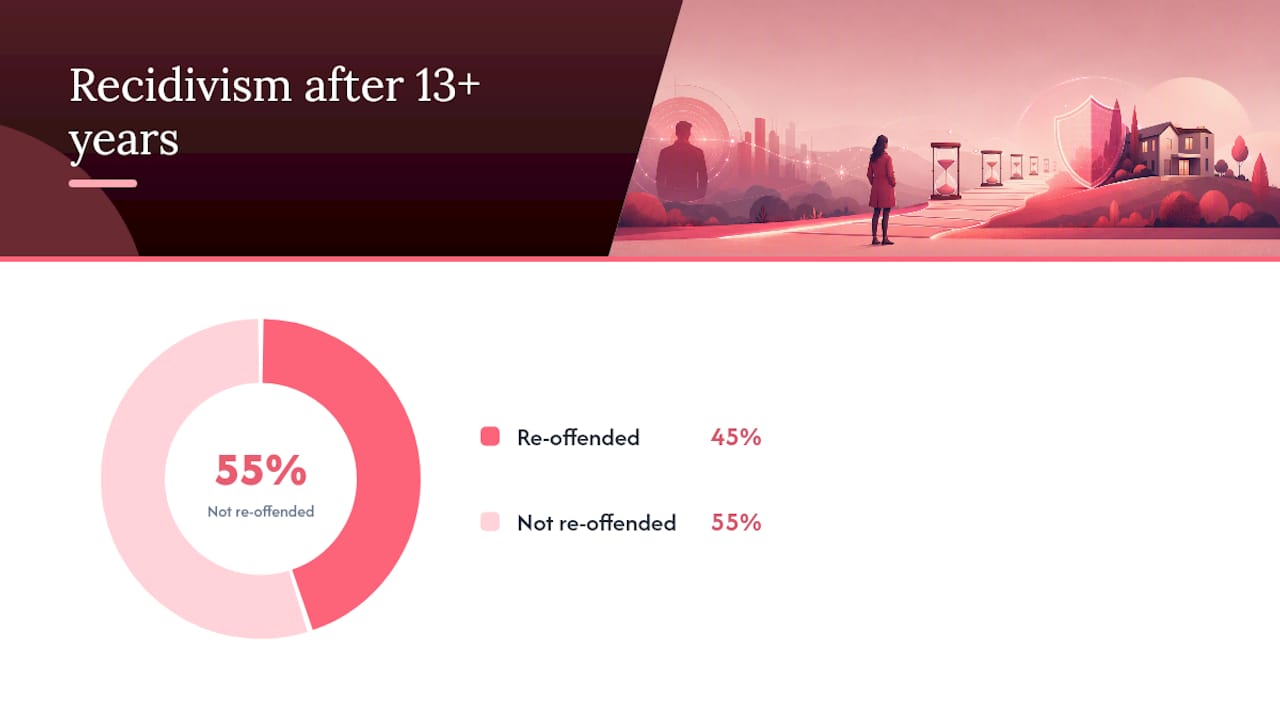
In a long-term follow-up study, 45 of 100 stalking offenders were later charged, convicted, or investigated again for stalking-related conduct over an average follow-up period of more than 13 years. That recidivism rate is exactly why scenario planning and staged mitigation matter more than a one-time snapshot.
What Should You Expect for Deliverables, Timeline, and Cost?
A properly scoped engagement produces a written risk assessment, a safety plan tailored to the client’s routine or venue, specific staffing and technical control recommendations, and an organized evidence package if legal or police action becomes necessary.
Cost depends on several variables, and any firm quoting a single flat number without asking about your situation should raise an eyebrow. The real drivers are:
- Surveillance hours required to establish a behavior pattern
- Travel, especially for clients with multiple residences or event locations
- Whether digital forensics on devices or accounts is needed
- Legal coordination time with counsel or law enforcement
- Urgency, since compressed timelines cost more
- Geographic scope, particularly for executives or public figures who travel frequently
Staged proposals, where clients approve a rapid triage phase before committing to a full evaluation, tend to control both cost and risk better than a single lump-sum contract signed before anyone knows the full picture.
How Do You Vet a Firm and Spot Red Flags?
Start with verifiable credentials: law-enforcement or investigative backgrounds, current state licensure, and written confidentiality policies you can actually read before signing anything. Ask to see a sample deliverable, even redacted, and request references from past corporate or individual clients.
- Confirm licensure and ask how long the firm has operated in your state.
- Request a written confidentiality and evidence-handling policy, not a verbal assurance.
- Ask for a redacted sample report so you can judge documentation quality before committing.
Red flags include vague deliverable descriptions, any guarantee of a specific outcome (no firm can promise a stalker will stop), no clear policy on evidence handling, and no defined escalation path to police or legal counsel if the threat intensifies.
Pro Tip: During the consultation, ask exactly what happens if evidence surfaces that meets a criminal threshold. A firm without a ready answer hasn’t thought through the handoff.
Why Prevention-First Assessments Matter
A qualified security and investigative firm with extensive combined law enforcement and loss prevention experience can provide effective stalking risk assessments. We’ve handled stalking and harassment investigations, security risk assessments, and executive protection engagements where the goal was always the same: intervene before a situation escalates, not after. One case involved a corporate client whose repeated documentation and staged security response ended unwanted contact before it reached a physical confrontation. If you’re facing something similar, reach out and we’ll walk through what a scoped assessment looks like for your situation.
Get a Scoped Stalking Risk Assessment From Hub Investigative Group
Some security firms offer a lean, practitioner-led alternative to larger security firms, providing clients direct access to experienced investigators and staged proposals to address urgent risk first without committing to a full engagement upfront.

If you’re dealing with repeated unwanted contact or a credible threat, our stalking and harassment investigation service covers the intake, evidence gathering, and threat formulation described above. For clients who also need physical protection, our executive protection and security risk assessment services integrate directly into the same protection plan. Before your consultation, gather any documented incidents, screenshots, or dates you already have. It speeds up intake and helps us scope the engagement accurately from the start. For ongoing digital exposure, resources like this VIP mobile threat monitoring checklist can complement the physical protections we recommend. Visit our full services page to request a confidential, staged consultation.
Sources
For readers who want the underlying research behind structured assessment approaches, these sources go deeper into evidence-based methodology:
- Forecasting stalking recidivism using the Guidelines for Stalking Assessment and Management (SAM)
- What works in risk assessment in stalking cases
FAQ
What Is a Commissioned Stalking Risk Assessment?
It’s an investigative service where a private security firm evaluates the likelihood of continued or escalating stalking behavior and delivers a tailored protection plan. It’s distinct from clinical risk-scoring tools used by researchers or victim advocates, since the focus is operational: evidence, scenarios, and mitigation steps.
How Long Does a Stalking Risk Assessment Take?
Rapid triage to interrupt active contact typically takes 48 to 72 hours, while a full evaluation involving surveillance or digital forensics runs one to three weeks. Complex cases spanning multiple locations or extensive digital records can take longer.
How Much Does a Stalking Risk Assessment Cost?
Cost depends on surveillance hours, travel, digital forensics needs, urgency, and geographic scope, so there’s no single flat rate. Hub Investigative Group scopes each engagement individually. Current service details are available on the services page.
Do I Still Need to Involve Police?
Yes, in most cases the two work together rather than replacing each other. A documented, evidence-based assessment often strengthens a police report by supplying timelines, identity verification, and preserved evidence that officers may not have time to compile.
What Should a Final Report Include?
A defensible report includes an executive summary, a chronological incident timeline, preserved evidence exhibits, scenario-based risk projections, and prioritized mitigation recommendations. Firms that produce documentation formatted for legal or police use, like the approach Hub Investigative Group takes, make it easier to escalate the case if the threat continues.