
Adopt a layered, legally informed strike security plan now: start with a rapid worksite risk assessment, immediate access control fixes, and a documented incident reporting process. This approach keeps people safe, preserves lawful access to your facility, and builds a record you and your counsel can rely on. In the short term, expect fewer safety incidents, cleaner entry points, and documentation that holds up if a dispute escalates.
TL;DR:
- A thorough worksite risk assessment should include mapping all entrances, parking areas, delivery routes, and blind spots to identify vulnerabilities specific to your site.
- Security plans must prioritize neutrality and proportionality, avoid show-of-force tactics, and rely on documentation for legal and HR support rather than intimidating presence.
- Implement clear, detailed post orders and staffing protocols, including escalation thresholds, shift rotations, visitor logs, and incident reporting templates to ensure consistent and legal actions.
- Regular training in de-escalation and threat reporting should be conducted before disputes arise, with established confidential channels to flag concerning behavior early.
- Physical and technical controls, such as barriers, lighting, cameras, and mass notification systems, are essential layers that reduce personnel burden and improve incident management during a strike.
Table of Contents
- What strike security is and what it is not
- Key components of an effective strike security plan
- Conducting a worksite risk assessment and vulnerabilities checklist
- Legal constraints, documentation, and coordination with counsel
- Operational plans, staffing, and security post orders to use during a strike
- Training, de-escalation, and behavioral threat reporting
- Engineering and technical controls to reduce risk
- Coordination, communications, and emergency action protocols
- Hub Investigative Group: a practitioner’s view on strike readiness
- How Hub Investigative Group can help you prepare
- FAQ
- Sources
What strike security is and what it is not
Strike security is risk management, not crowd control and not a show of force. The goal is to protect employees, visitors, and picketers from harm, keep legitimate business operations running where lawful, and create a record of events that supports later legal or HR decisions. When security teams drift toward intimidation or unnecessary displays of authority, they tend to escalate tension rather than reduce it.
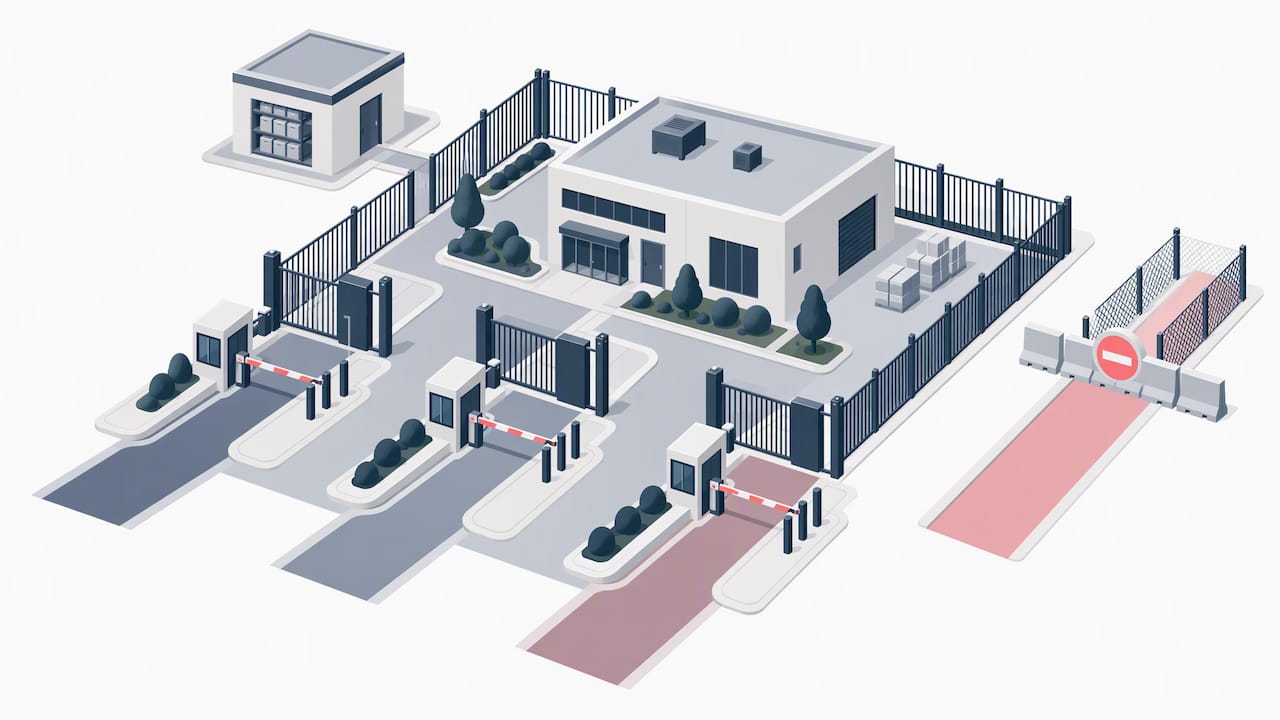
Neutrality matters because officers who appear to be taking sides invite confrontation and legal exposure. Proportionality matters because the response to a verbal exchange should look nothing like the response to a physical altercation. Documentation matters because a well-timed photo or witness statement often does more for an employer’s position than any show of strength on site.
A workable plan should aim at a short, measurable list of outcomes:
- Protect the physical safety of employees, picketers, and the public.
- Preserve lawful access to entrances, deliveries, and emergency routes.
- Document incidents accurately enough to support legal or disciplinary action later.
Our overview of workplace security planning goes deeper into the baseline protections every business should have before a dispute ever starts.
Key components of an effective strike security plan
A strike security plan is a document, not a mindset. It should hold up as something you can hand to a security provider, legal counsel, or an internal operations team and have them execute without guessing.
- Worksite analysis and risk scoring. Map every entrance, parking area, and high-value asset, then rank vulnerabilities by likelihood and severity.
- Access control and perimeter measures. Define which entrances stay open, which close, and what temporary barriers or credential checks apply at each.
- Staffing model and post orders. Assign roles, shifts, and a neutral posture standard so every officer on site knows the limits of their authority.
- Surveillance, alarms, and evidence protocols. Specify camera coverage, duress alarms, and how footage or photos are stored and time-stamped.
- Emergency action and continuity planning. Build in evacuation routes, shelter-in-place criteria, and contingencies for operations that cannot simply stop, such as perishable inventory or equipment that needs monitoring.
Each piece reinforces the others. A perimeter plan without clear post orders leaves officers improvising under pressure, and surveillance without a documentation protocol produces footage nobody can use later. Our practical event security playbook walks through a similar structure for large gatherings, and the same logic transfers directly to a labor dispute.
Conducting a worksite risk assessment and vulnerabilities checklist
A risk assessment works best as a cross-functional exercise. Pull in operations, HR, legal, facilities, and your security lead, because each sees different blind spots. HR knows which employees may be at higher personal risk, facilities knows which doors stick or which cameras have dead zones, and legal knows what documentation will matter if things go sideways.
Walk the site and check:
- Every ingress and egress point, including loading docks and emergency exits.
- Parking areas, especially where employees walk alone to or from vehicles.
- Delivery schedules and whether they need rerouting or escort.
- Blind spots in camera coverage or lighting.
- Lone-worker exposures in cash handling, storage rooms, or after-hours shifts.
Score each finding by likelihood and severity, then split the list into fixes you can make today, like relocating a delivery entrance or adding a temporary light, versus engineering projects that need a budget and a timeline, like permanent bollards or a camera upgrade. OSHA’s workplace violence prevention guidance outlines this same worksite analysis approach and recommends engineering and administrative controls as the foundation of any prevention program.
Pro Tip: Walk the site at the same time of day a shift change or picket is likely to happen. Risks that are invisible at noon often show up clearly at 6 AM or dusk.
Legal constraints, documentation, and coordination with counsel
The National Labor Relations Act protects the right to strike and picket, and that protection is broad. What it does not protect is violence, threats, or physically blocking access to your facility. The NLRB’s guidance on strikes draws this line clearly: employers can take reasonable security measures, but those measures cannot interfere with lawful, peaceful picketing.
That line is exactly why documentation matters more than posture. A time-stamped photo of a blocked entrance, a witness statement taken the same day, or video with a clear chain of custody carries far more weight than a security officer’s memory of what happened three weeks later. Build these habits into the plan from day one:
- Log every incident with a time, date, location, and the names of those involved.
- Preserve photo and video evidence with metadata intact and a clear record of who handled it.
- Route anything involving potential misconduct through legal counsel before taking action.
Labor counsel should be looped in before the plan is finalized, not after an incident happens. Security actions, HR decisions, and operational choices during a strike tend to intersect quickly, and a plan that was never reviewed by counsel can create liability instead of reducing it.
Operational plans, staffing, and security post orders to use during a strike
Post orders are where a plan becomes real for the people executing it. Officers need written, specific instructions, not general guidance to “keep things calm.”
- Set a neutral posture standard. Officers observe, document, and de-escalate; they do not engage in debate or physical confrontation except as a last resort.
- Define escalation thresholds and reporting lines. Specify exactly what triggers a call to a supervisor, to law enforcement, or to legal counsel.
- Plan shift rotations and relief procedures. Fatigue leads to poor judgment, so build in realistic relief schedules rather than asking one team to cover an entire dispute.
- Standardize access logs and visitor handling. Every person entering the site, including replacement workers, should be logged consistently and escorted if tension is high.
- Give officers a simple incident report template. A one-page form with time, location, description, and witness names beats a narrative written from memory days later.
Our security guard services page describes the staffing model we use for sensitive assignments like this, where neutral posture and clear post orders are non-negotiable parts of the brief.
Training, de-escalation, and behavioral threat reporting
Security personnel working a strike need training that goes beyond standard guard duty. De-escalation skills matter more than physical intervention, and force should always be the last option, not the first response to a raised voice. OSHA and CISA both frame training and communication as core controls, not optional extras, in any violence prevention program.
A confidential reporting channel for employees to flag concerning behavior, paired with a small threat assessment team that includes HR and security, often catches problems before they reach a confrontation. Programs like Trouble Defense’s de-escalation training give security staff practical tools for exactly this kind of high-tension environment.
- Train officers on de-escalation before deployment, not during an active dispute.
- Run scenario-based drills that mimic picket-line conditions, not generic active-shooter drills.
- Review after-action reports to see whether training held up under real pressure.
Pro Tip: Ask officers to debrief after every shift, even a quiet one. Patterns in what they notice often surface weeks before an incident does.
Engineering and technical controls to reduce risk
Physical and technical controls reduce how much weight falls on personnel alone, and a layered security approach always performs better than relying on officers as the only line of defense.
- Deploy temporary barriers, fencing, or bollards at vulnerable entry points, and plan permanent versions if the exposure is ongoing.
- Improve lighting and sightlines around entrances, parking, and loading areas.
- Place cameras with tamper-resistant mounts and confirm footage is stored where it cannot be altered or lost.
- Install duress alarms at reception and cash-handling points, with a clear escalation path when one is triggered.
- Use mass notification systems that can reach staff quickly if conditions change on site.
NIOSH’s hierarchy of controls places engineering and administrative measures above reliance on personnel, and that principle applies directly here: a well-lit, well-monitored site needs fewer judgment calls from the people working it.
Coordination, communications, and emergency action protocols
Coordination with first responders works best when it happens before a strike, not during one. Introduce your site to local police and EMS, clarify jurisdiction, and confirm response times so nobody is guessing on the day it matters.
- Establish a point of contact with local law enforcement and share facility maps in advance.
- Draft mass notification templates and name who is authorized to send them.
- Set clear criteria for evacuation versus shelter-in-place, and who makes that call.
CISA’s guidance on facility planning and first-responder coordination recommends this kind of advance familiarization, and our one-page workplace violence response plan gives you a template to start from today.
Hub Investigative Group: a practitioner’s view on strike readiness
Strike security plans fail most often when they are written once and never rehearsed. An effective approach involves a simple sequence: assess the site, prioritize the fixes that matter most, train the people who will execute the plan, and stay on site to support documentation if things escalate. That order rarely changes, and skipping a step is usually where plans fall apart.
— Derek
How Hub Investigative Group can help you prepare
If you need a plan built and staffed rather than just written, we offer the pieces that map directly to what a strike requires: a security risk assessment of your site, trained unarmed or armed officers for the duration of the dispute, evidence collection support, and executive protection if leadership faces elevated personal risk.

- A rapid assessment can typically be scheduled within days of your call.
- Staffing can scale up or down as the dispute changes shape.
- Coordination with legal counsel on documentation standards can be provided.
Our protest and strike security services page outlines how we’ve supported businesses through exactly this kind of situation. Visit our services page to see the full range of options, or reach out to schedule a consultation and get a plan in motion before conditions on your site change.
FAQ
What is strike security planning, exactly?
Strike security planning is a documented approach to protecting people, preserving lawful access to a facility, and recording incidents accurately during a labor dispute. It blends risk assessment, access control, trained staffing, and legal coordination rather than relying on a single tactic.
Can employers legally restrict picketers from entering a site?
Employers can restrict access to private property and protect entrances from obstruction, but the NLRA protects peaceful picketing and employers cannot interfere with that lawful activity. The line falls at conduct that is violent, threatening, or that physically blocks ingress and egress.
How many security officers does a strike typically require?
Staffing needs depend on site size, the number of entrances, and the intensity of the dispute, so there is no fixed number that fits every case. A proper worksite risk assessment is the starting point for sizing a staffing plan correctly.
What should be documented during a strike?
Document every incident with a time, date, location, and the names of those involved, along with photos or video that has a clear chain of custody. This record supports any later legal action and helps distinguish protected picketing from unprotected misconduct under the NLRA.
When should a business bring in professional security support?
Bringing in professional support makes sense as soon as a strike becomes likely, not after tension on site has already escalated. Early engagement allows time for a proper risk assessment, trained staffing, and coordination with legal counsel before conditions change.
Sources
- OSHA — Recommendations for Workplace Violence Prevention Programs (OSHA3153)
- NLRB — Strikes
- CISA / ISC — Planning and response to an active shooter (2021)