
Summer is when Massachusetts empties out. Families head to the Cape, the Islands, New Hampshire lakes, or overseas, and many homes and small businesses sit quiet for a week or more. That quiet is exactly what opportunistic burglars look for. Good summer vacation security is not about turning your home into a fortress; it is about removing the signals that a property is unoccupied and making sure someone notices quickly if something goes wrong.
This guide covers what the data says about summer property crime, the simple habits that make the biggest difference, and when it makes sense to bring in professional patrols or on-site officers while you are away.
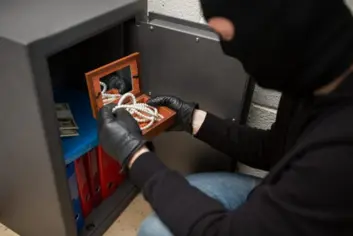
Why Summer Vacation Security Matters
Property crime has a seasonal rhythm. The U.S. Bureau of Justice Statistics studied victimization data from 1993 through 2010 and found that household burglary and larceny rates tended to be higher in summer than in other seasons. The swing was modest, under 11 percent between the highest and lowest seasons for household property crime, but it lines up with common sense: longer days, open windows, more people out and about, and more homes left empty.
The bigger issue is not the season itself but the absence. A burglary at an occupied home is often interrupted. A burglary at a home whose owners are 300 miles away may not be discovered for days, giving a thief time to return, allowing water damage from a broken window to spread, or letting a stolen identity be used before anyone notices missing mail or documents.
How Burglars Spot an Empty Home
Most residential burglaries are crimes of opportunity, which is why summer vacation security starts with what a passerby can see. Rather than targeting a specific family, many offenders look for the easiest property on the street. The tell-tale signs of absence are surprisingly consistent:
- Newspapers, packages, or flyers piling up at the door
- An overflowing mailbox
- Uncut grass or an untouched driveway
- The same lights on, or off, around the clock
- No vehicle in a driveway that is usually full
- Trash and recycling bins left at the curb after pickup day
- Social media posts showing the family at the beach this week
Every item on that list is fixable, and most summer vacation security fixes cost nothing.
Before You Leave: A Practical Checklist
Make the house look lived in
- Put lights on timers or smart plugs, and vary the schedule across rooms.
- Place a hold on mail delivery and pause newspaper subscriptions.
- Ask a trusted neighbor to collect packages, move your trash bins, and park in your driveway occasionally.
- Arrange for lawn care if you will be gone more than a week.
Lock down the entry points
- Check every exterior door, including basement, bulkhead, and garage doors.
- Lock windows, especially ground-floor and first-floor windows hidden by shrubs.
- Secure sliding doors with a bar or dowel in the track.
- Unplug the automatic garage door opener or use its vacation lock feature.
- Remove hidden spare keys. Burglars know where to look.
Protect valuables and information
- Store jewelry, cash, passports, and important papers in a safe or safe deposit box.
- Photograph or video your belongings for insurance purposes.
- Back up computers and lock them with strong passwords.
Test your technology
- Confirm your alarm system is monitored and that the alarm company has current contact numbers.
- Check that cameras are recording, that the app notifications reach your phone, and that storage will not fill up while you are away.
- Make sure camera views cover doors and windows rather than just the driveway.
Think Before You Post
Social media is one of the most overlooked summer vacation security risks. Sharing vacation photos in real time tells anyone who can see your account that your home is empty right now. Even private accounts can include acquaintances, former coworkers, or friends of friends. A simple habit is to save the photos and post them after you return. Also review whether your posts or apps share your location automatically, and ask family members, including teenagers, to do the same.
Use the Resources Your Town Already Offers
Many Massachusetts police departments offer vacation house checks, where officers drive by or check on a registered home while the owners are away. Towns such as Plainville and Boxford publish request forms on their websites. These programs are a valuable free layer of protection, but availability varies by community and they depend on how busy officers are on a given shift. They are best treated as one layer rather than the entire plan.
When Professional Summer Vacation Security Makes Sense
For many homes, the checklist above provides enough summer vacation security. Some situations call for more:
- Extended absences of several weeks or an entire season.
- High-value homes or collections, such as art, jewelry, or firearms stored on site.
- Seasonal and second homes, including Cape Cod and Islands properties that sit empty for much of the year.
- Properties under renovation, where contractors, open access points, and stored materials create extra risk.
- Public figures and executives whose travel schedules may be known or published.
- Small businesses that close for a summer week, leaving inventory and equipment unattended.
Mobile patrols
Mobile patrol security sends a marked vehicle and a trained officer to your property at randomized times. The officer checks doors and windows, walks the perimeter, looks for signs of tampering, and documents each visit with time-stamped reports. Random timing matters: a predictable schedule can be learned and worked around.
On-site officers
For the highest-risk situations, a residential security guard can remain on the property for set hours or around the clock. On-site coverage is the strongest deterrent and allows an immediate response to alarms, deliveries, contractors, or anything else that needs a human decision.
A pre-trip security review
Before a long trip, a physical security assessment can identify weak locks, dark approaches, camera blind spots, and landscaping that gives an intruder cover. Fixing those issues protects the property long after the vacation ends.
Summer Vacation Security for Businesses
Summer vacation security is not only a homeowner concern. Plenty of business owners step away in July and August, too. Many offices slow down, retailers adjust hours, and some small businesses close entirely for a week. A quiet business faces the same risks as a quiet home, plus a few of its own: stored inventory, cash, customer data, and equipment that can be resold quickly. Businesses planning a summer shutdown should confirm alarm and camera coverage, limit keys and access codes to essential personnel, and consider patrol checks during the closure.
Coverage Across Massachusetts
Hub Security and Investigative Group provides patrols and on-site officers across the state. We protect seasonal homes around Barnstable and Cape Cod, residences in Brookline and Newton, and homes and businesses in Lowell and the Merrimack Valley. Operating under Private Detective Firm License #LP0203L, and founded in 2004, Hub brings law enforcement and loss prevention experience to every assignment, whether it is a single week of patrols or season-long coverage.
Summer Vacation Security for Renters, Condos, and Apartments
Renters and condominium owners face a slightly different set of summer vacation security questions. You may not control the building’s front door, cameras, or landscaping, but you still control your own unit. Before leaving, let the building manager or concierge know your travel dates and who, if anyone, is authorized to enter. Ask whether management keeps a record of packages and deliveries, and whether building staff will hold them rather than leaving boxes stacked in a hallway. If the building uses key fobs or access codes, confirm that any codes you have shared with cleaners, dog walkers, or contractors are still necessary.
Shared buildings also create shared risks. Propped doors, tailgating through a lobby entrance, and unattended mail rooms are common ways outsiders get inside. Property managers can reduce those risks during the busy summer months with concierge or doorman coverage, periodic patrols of common areas and garages, and clear rules about deliveries. For management companies overseeing several properties, a single patrol route that covers multiple buildings is often a practical way to add visible presence without staffing every lobby full time.
Coordinating With Neighbors and House Sitters
A reliable neighbor is still one of the best security tools available. Give that person your itinerary, a way to reach you, and a short list of what to do if they notice something unusual: call the police first, then you, then your alarm company or security provider. If you are using a house sitter or pet sitter, agree in advance on when they will visit, which doors they will use, and whether they should vary their arrival times. Ask them to text you a quick photo of the front door and mail area on each visit. That small routine creates a simple record of the home’s condition throughout your trip.
If Something Happens While You Are Away
Even with good summer vacation security planning, incidents happen. Make sure someone you trust has a key, your alarm company has their number, and your insurance agent’s contact information is saved on your phone. If a break-in occurs, the responding officers and your security provider should document the scene before anything is moved, and camera footage should be exported and preserved before the system overwrites it. Quick, careful documentation makes insurance claims and any police investigation far smoother.
Enjoy the Trip
The goal of summer vacation security is peace of mind. A few inexpensive habits remove most of the signals burglars look for, and professional patrols or officers can fill the gaps when the stakes are higher. If you are planning time away and want your home or business watched while you are gone, call Hub’s 24/7 dispatch at (617) 857-1200 or request a free quote. We will build a plan around your dates, your property, and your level of risk.
By Derek Kreymer, Operations Manager